

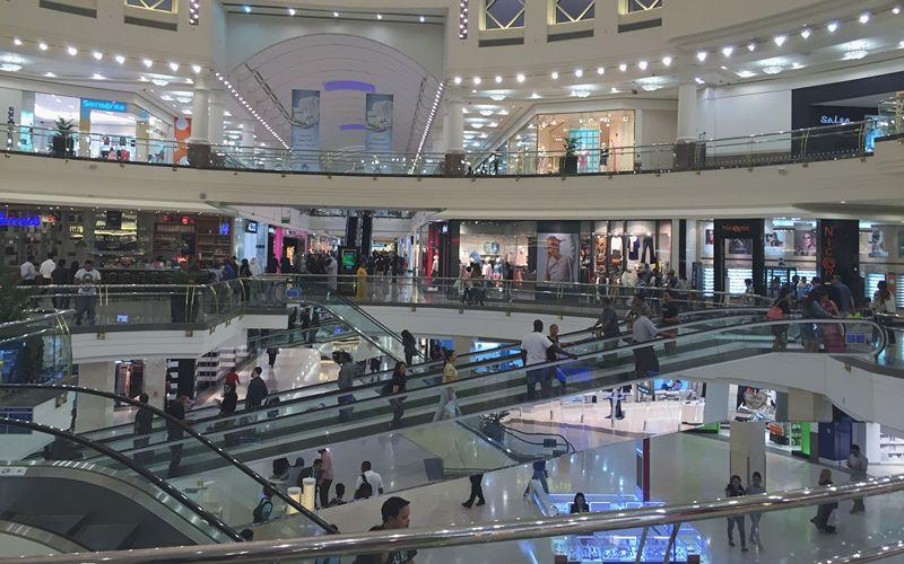
Many people talk about the biggest mall in Singapore as if it were a single, settled fact. In reality, that title belongs to VivoCity, a place so familiar that it has accumulated its own set of assumptions over time. Friends recommend it, tourists plan entire afternoons around it, and locals joke about getting lost inside, often before setting foot there again. These shared beliefs shape expectations long before a visit begins, even though regular trips tend to challenge them quietly. What VivoCity offers in practice often differs from what people assume based on its reputation alone.
Before entering, people imagine efficiency, excitement, and endless choice working smoothly together. They expect walking to feel purposeful and time to stretch comfortably. What actually happens is more uneven. Small frustrations stack up between shops, meals, and crowds. These moments rarely ruin a visit, but they reshape how people feel by the time they leave.
1. Bigger Automatically Means Better
The first myth is that size guarantees a better experience. A larger mall promises more shops, more food, and more entertainment. In practice, size often brings repetition. Similar brands appear across multiple floors, creating a sense of sameness rather than discovery. Walking longer distances does not always lead to more satisfying choices. Many visitors leave tired before feeling impressed.
2. You Can See Everything in One Visit
Another common belief is that a single visit is enough. People arrive with ambitious plans, expecting to explore every wing. Hours later, they realise how unrealistic that expectation is. The biggest mall in Singapore is designed for repeat visits, not completion. Areas remain unseen, not because of poor planning, but because scale stretches time in unexpected ways.
3. Dining Options Are Automatically Superior
Food expectations rise sharply in very large malls. Diners assume variety equals quality. In reality, many outlets mirror those found elsewhere. Choice feels abundant, yet decision fatigue sets in quickly. Visitors circle food courts and restaurants, unsure what to pick. The meal ends up fine, not memorable, despite the effort spent choosing.
4. Navigation Gets Easier Over Time
People believe familiarity solves navigation issues. After a few visits, they expect the layout to make sense. Yet expansions, renovations, and layered design keep orientation challenging. Signage helps, but rarely removes confusion entirely. Regular visitors still rely on landmarks rather than clear mental maps. Getting lost becomes part of the routine, not a temporary inconvenience.
5. Entertainment Makes the Visit Complete
Large malls highlight cinemas, attractions, and event spaces as anchors. The myth suggests these features complete the experience. However, schedules, queues, and crowds limit spontaneity. Visitors often build trips around one activity, then drift without direction afterwards. Entertainment fills time but does not necessarily create a feeling of fulfilment.
6. Crowds Signal Excitement
Busy walkways and packed stores look lively. Many assume crowds mean something special is happening. In truth, crowd levels reflect timing more than excitement. Weekends, holidays, and promotions crowd people into the same spaces. The atmosphere feels hectic rather than energising. Shoppers adjust expectations quietly as they navigate noise and congestion.
7. Shopping Feels More Rewarding
Another myth is that shopping feels more rewarding in the biggest mall in Singapore. The scale suggests better deals or unique finds. Instead, shoppers encounter familiar pricing and standard collections. The effort required to move between stores outweighs any perceived advantage. Purchases feel routine despite the grand setting around them.
8. The Mall Functions Like a Destination
Many treat the mall as a destination rather than a setting. They expect arrival to deliver instant satisfaction. Yet enjoyment depends heavily on mood, company, and timing. Without a clear purpose, visits blur together. The space supports experiences rather than creating them automatically. This distinction often becomes clear only after repeated trips.
Conclusion
These myths persist because the biggest mall in Singapore carries symbolic weight. Size creates assumptions about value, excitement, and completeness. Every day visits reveal a quieter reality shaped by repetition, fatigue, and personal expectations. When these expectations shift, the mall feels less disappointing and more predictable. What people imagine before arrival rarely matches how time, energy, and attention actually move inside such a vast space, even when visits feel familiar, and routines seem firmly established for many repeat visitors over time.
Explore Taste of SG to examine everyday places with a fresh perspective today.