

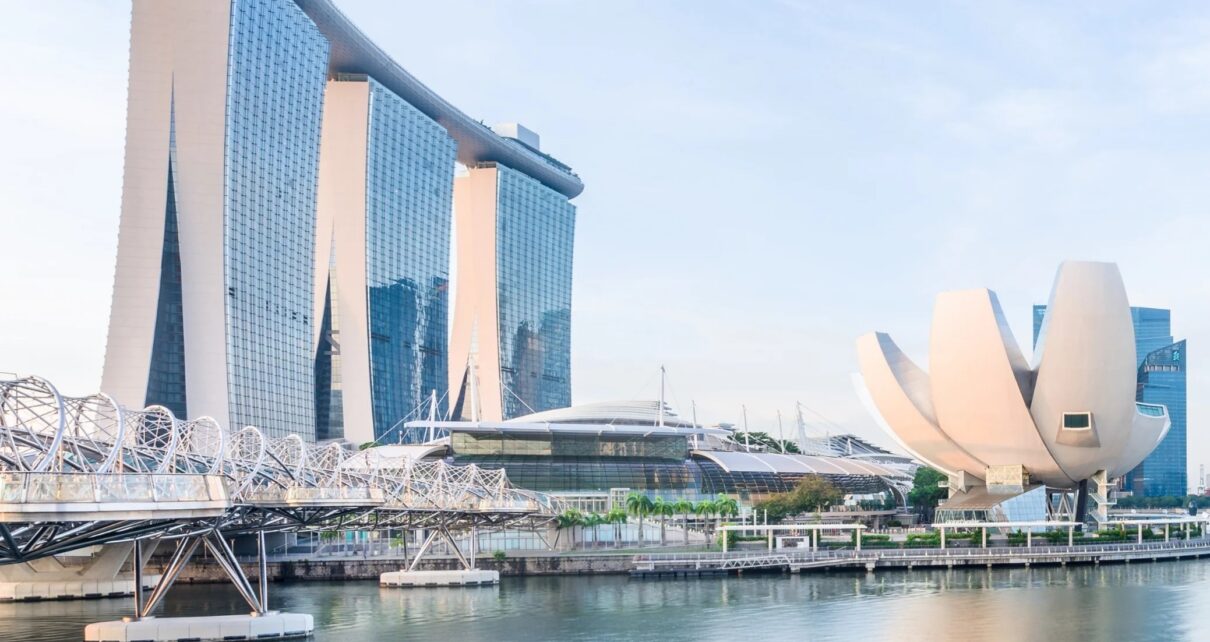
Singapore’s real estate market continues to stand as one of the most resilient and attractive in the world. As we move through 2026, investors—both local and international—are carefully studying market signals, government policies, and emerging districts to make informed decisions. Whether you’re a first-time buyer or a seasoned investor, understanding the nuances of this evolving landscape is essential for long-term success.
A Stable Yet Dynamic Market
Singapore’s property market has always balanced stability with growth. Government intervention through cooling measures ensures that prices do not spiral out of control, while steady demand keeps the market active. In recent years, rising interest rates globally have influenced buying behavior, but Singapore has shown remarkable resilience due to strong fundamentals such as low unemployment, political stability, and a robust financial sector.
New launches continue to draw attention, especially those that offer a blend of strategic location, lifestyle convenience, and long-term appreciation potential. Developments like Lucerne Grand are gaining interest for their modern design and connectivity, reflecting the growing demand for homes that align with contemporary urban living.
The Shift Toward Integrated Living
One of the defining trends in Singapore real estate is the shift toward integrated developments. Buyers today are not just purchasing a home—they are investing in a lifestyle. Proximity to MRT stations, retail hubs, schools, and green spaces has become a key deciding factor.
Mixed-use developments are particularly appealing because they offer convenience and efficiency. Residents can live, work, and relax within the same vicinity, reducing commute times and enhancing quality of life. This trend is especially evident in emerging districts where urban planning is focused on sustainability and accessibility.
Similarly, projects like Island Residences cater to buyers who prioritize exclusivity and tranquility while still maintaining access to essential amenities. This balance between urban convenience and peaceful living is becoming increasingly desirable.
Location Still Reigns Supreme
Despite evolving preferences, the importance of location remains unchanged. In Singapore, properties located near MRT stations or within established districts tend to retain value better and attract higher rental demand. Areas undergoing transformation—such as Jurong Lake District and the Greater Southern Waterfront—are particularly promising for investors looking for capital appreciation.
Jurong, for instance, is poised to become Singapore’s second Central Business District. With new commercial developments, improved transport infrastructure, and lifestyle attractions, property prices in the area are expected to rise steadily over the next decade. Investors who enter early stand to benefit significantly from this growth.
Rental Yield and Investment Strategy
For many investors, rental yield is a crucial consideration. Singapore’s strong expatriate population ensures consistent demand for rental properties, particularly in well-connected and centrally located areas.
To maximize returns, investors should consider:
- Proximity to business hubs
- Accessibility to public transport
- Availability of lifestyle amenities
- Quality of the development
Smaller units often provide higher rental yields due to lower entry costs and strong demand from young professionals. However, larger units in premium developments can offer better long-term appreciation, making them suitable for investors with a longer investment horizon.
Government Policies and Their Impact
Singapore’s government plays a significant role in shaping the property market. Cooling measures such as Additional Buyer’s Stamp Duty (ABSD) and Loan-to-Value (LTV) limits are designed to prevent speculation and maintain market stability.
While these measures may seem restrictive, they ultimately protect investors by reducing the risk of market bubbles. Savvy investors understand how to navigate these regulations and incorporate them into their investment strategies.
For example, some investors choose to diversify their portfolios by investing in different property types or entering the market during periods of lower demand when prices are more favorable.
Sustainability and Future-Proofing
Sustainability is no longer just a buzzword—it is a key factor influencing property value. Developers are increasingly incorporating eco-friendly features such as energy-efficient systems, green roofs, and smart home technology.
Buyers are also becoming more conscious of environmental impact, leading to higher demand for sustainable developments. Properties that align with these values are likely to see stronger demand and better long-term performance.
The Role of Technology in Real Estate
Technology is transforming the way people buy, sell, and invest in property. Virtual tours, digital transactions, and AI-driven market analysis tools are making the process more efficient and accessible.
For investors, this means better access to data and insights, enabling more informed decision-making. It also allows for easier comparison of properties, helping buyers identify opportunities that align with their goals.
Final Thoughts
Singapore’s property market in 2026 presents a wealth of opportunities for those who approach it with knowledge and strategy. From integrated developments and emerging districts to sustainable living and technological advancements, the landscape is rich with potential.
Whether you are drawn to the modern appeal of developments like Lucerne Grand or the serene charm of Island Residences, the key to successful property investment lies in understanding market trends and aligning them with your financial objectives.
As always, thorough research and a long-term perspective remain your strongest assets in navigating Singapore’s ever-evolving real estate market.