

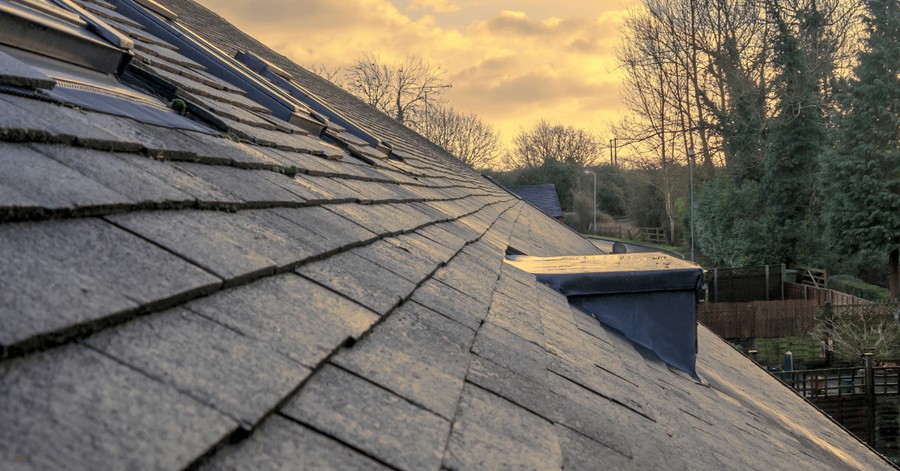
Slate roofs have a quiet kind of presence. You notice them without always realizing why. Maybe it is the texture, the natural variation in color, or the way they seem to belong to the building in a timeless way. Unlike many modern roofing materials, slate carries a sense of permanence that is hard to replicate.
What many homeowners do not realize is that slate roofs are not just durable, they are often restorable. While other roofing systems are replaced every couple of decades, slate can last a century or more with proper care. That makes restoration an appealing option for those who want to preserve both the function and character of their home.
Slate roof restoration is not simply about fixing a few broken tiles. It is a specialized process that combines craftsmanship, material knowledge, and careful inspection. When done correctly, it can extend the life of a roof for decades while maintaining its original charm.
What Makes Slate Roofing Unique
Slate is a natural stone that has been used in construction for centuries. It is formed under intense pressure, which gives it exceptional strength and resistance to weather. When split into thin tiles, it becomes an ideal roofing material that can withstand rain, snow, wind, and temperature changes.
Unlike synthetic materials, slate does not degrade in the same way over time. It does not rot, warp, or attract pests. Instead, it maintains its structure for decades, which is why many historic buildings still have their original slate roofs intact.
Another unique feature of slate roofing is its appearance. Each tile has slight variations in color and texture, creating a natural pattern that cannot be replicated by manufactured materials. This aesthetic quality is one of the main reasons homeowners choose to restore rather than replace slate roofs.
Natural durability and longevity
Slate is often described as one of the longest lasting roofing materials available. In many cases, a well installed slate roof can last over 100 years. This longevity is not just a marketing claim, it is supported by real world examples of buildings that have stood the test of time.
However, the lifespan of a slate roof depends on more than just the stone itself. The fasteners, flashing, and underlying structure also play a role in overall durability. Over time, these components may wear out even if the slate tiles remain intact.
That is where restoration becomes important. By addressing the supporting elements of the roof, professionals can preserve the slate and extend the life of the entire system.
Aesthetic value and architectural appeal
Slate roofing adds a level of character that is difficult to match. Its natural variations create depth and texture that enhance the overall appearance of a building. Whether used on a historic home or a custom design, slate contributes to a sense of craftsmanship and quality.
Restoration allows homeowners to maintain this visual appeal. Instead of replacing slate with modern materials, which can alter the look of a home, restoration keeps the original design intact. This is especially important for properties with historical or architectural significance.
In many cases, restoring a slate roof can also increase property value. Buyers often appreciate the combination of durability and visual appeal, knowing that the roof has been maintained rather than replaced with less durable materials.
When a Slate Roof Needs Restoration
Even though slate is incredibly durable, no roof is completely immune to wear. Over time, certain components may begin to fail, leading to issues that require attention. Recognizing these signs early can prevent more serious damage.
One common issue involves broken or missing tiles. These may result from impact, weather events, or simply age. While a few damaged tiles may not seem significant, they can allow water to penetrate the roof if left unaddressed.
Another sign is deterioration of flashing, which is the material used to seal joints and prevent leaks. Flashing often wears out before the slate itself, making it a key focus during restoration projects.
Common signs of aging
Homeowners may notice subtle changes before major problems occur. Small leaks, water stains on ceilings, or loose tiles can all indicate that the roof needs attention. These issues often develop gradually, making regular inspections important.
In some cases, nails that hold slate tiles in place may corrode over time. This can cause tiles to slip or become unstable. Professionals refer to this as nail fatigue, and it is a common reason for restoration work.
Addressing these signs early can make a significant difference. Minor repairs are typically less costly and less disruptive than large scale restoration projects.
The difference between repair and restoration
It is important to distinguish between simple repairs and full restoration. Repairs typically involve fixing isolated issues, such as replacing a few damaged tiles or sealing a small leak. These are useful for maintaining the roof in the short term.
Restoration, on the other hand, takes a more comprehensive approach. It involves evaluating the entire roofing system, including underlayment, flashing, and fasteners. The goal is to extend the life of the roof rather than just address immediate problems.
For older roofs, restoration is often the more practical choice. It allows homeowners to preserve the original materials while ensuring that the roof remains functional for years to come.
The Slate Roof Restoration Process
Restoring a slate roof requires a careful and methodical approach. Unlike standard roofing projects, it involves working with natural stone that must be handled with precision and care.
The process typically begins with a detailed inspection. Professionals assess the condition of the slate tiles, flashing, fasteners, and underlying structure. This evaluation helps determine the scope of work needed.
Once the assessment is complete, the restoration plan is developed. This may include replacing damaged tiles, reinforcing weak areas, and upgrading components that have reached the end of their lifespan.
Inspection and planning
A thorough inspection is the foundation of any successful restoration project. Roofing specialists examine each section of the roof to identify areas of concern. They look for cracked tiles, loose fasteners, and signs of water intrusion.
This stage also involves evaluating the structural integrity of the roof. If underlying components such as decking or support beams are compromised, they must be addressed before restoration can proceed.
Planning ensures that the restoration process is efficient and effective. By identifying all necessary repairs upfront, professionals can avoid unexpected issues during the project.
Repairing and replacing components
During restoration, damaged or missing slate tiles are carefully replaced with matching materials. This helps maintain the original appearance of the roof while restoring its functionality.
Flashing is often replaced as part of the process. Modern materials can provide improved durability while maintaining compatibility with the existing slate. Fasteners may also be upgraded to prevent future issues.
In some cases, sections of the roof may be removed and rebuilt to address underlying problems. This work requires skilled craftsmanship to ensure that the restored areas blend seamlessly with the original structure.
Benefits of Choosing Restoration Over Replacement
For many homeowners, the decision between restoration and replacement comes down to cost, longevity, and aesthetics. While replacement may seem like a straightforward option, it often involves removing materials that are still in good condition.
Restoration allows homeowners to preserve the original slate while addressing areas that need attention. This approach is often more sustainable and can reduce waste compared to a full replacement.
In addition, restoration can be more cost effective in the long run. By extending the life of the existing roof, homeowners may avoid the expense of installing a completely new system.
Long term cost efficiency
Although restoration requires an initial investment, it can provide significant savings over time. Slate roofs that are properly restored can last for decades, reducing the need for frequent repairs or replacement.
Replacing a slate roof entirely can be expensive due to the cost of materials and labor. Restoration, on the other hand, focuses on preserving what already exists, which can make it a more economical choice.
Homeowners who invest in restoration often find that the benefits outweigh the costs. The combination of durability, performance, and appearance makes it a practical long term solution.
Environmental and historical considerations
Restoring a slate roof also supports environmental sustainability. By reusing existing materials, homeowners reduce the demand for new resources and minimize construction waste.
For historic properties, restoration is often the preferred option. Preserving original materials helps maintain the authenticity and character of the building. This can be especially important in areas with architectural guidelines or heritage considerations.
Even for newer homes, restoration offers a way to maintain the original design while improving performance. It allows homeowners to enjoy the best of both worlds, modern reliability and timeless style.
Choosing the Right Roofing Professional
Slate roof restoration is a specialized field that requires experience and attention to detail. Not all roofing contractors have the skills needed to work with slate, so choosing the right professional is essential.
Homeowners should look for contractors who have a proven track record with slate projects. Experience with similar roofs ensures that the contractor understands the unique challenges involved.
Clear communication is also important. A reliable contractor will explain the restoration process, provide detailed estimates, and answer questions throughout the project.
Evaluating experience and expertise
Working with slate requires a different approach than working with standard roofing materials. Contractors must understand how to handle tiles without causing damage and how to install components that work with the existing system.
Experience also plays a role in problem solving. Unexpected issues may arise during restoration, and skilled professionals know how to address them without compromising the integrity of the roof.
Checking references and reviewing past projects can provide valuable insight. Homeowners can gain confidence by seeing examples of completed work and hearing about other clients’ experiences.
Building trust through communication
A successful restoration project depends on clear communication between the homeowner and the contractor. From the initial inspection to the final walkthrough, both parties should understand the scope of work and expected outcomes.
Contractors who take the time to explain their approach help build trust. They provide updates during the project and ensure that homeowners feel informed every step of the way.
This level of transparency not only improves the overall experience but also contributes to a better final result. When expectations are aligned, the restoration process becomes smoother and more predictable.
Preserving craftsmanship for future generations
Slate roofs represent more than just a functional part of a building. They reflect a tradition of craftsmanship that values quality, durability, and attention to detail. Restoring these roofs is a way of preserving that tradition for future generations.
With proper care, a restored slate roof can continue to protect a home for decades. It allows homeowners to maintain the character of their property while benefiting from modern improvements in materials and techniques.
Choosing restoration is ultimately about recognizing the value of what already exists. Instead of starting over, it is about building on a strong foundation and ensuring that it continues to perform at its best.