

Key Takeaways:
- Planting a tree in memory creates a living monument that symbolizes life, growth, and reflection.
- Trees represent continuity, strength, and the cyclical nature of life, serving as reminders of loved ones.
- Cultural traditions worldwide honor the deceased through tree planting, each with unique customs.
- Choosing native trees supports local biodiversity and environmental sustainability, enhancing the memorial’s impact.
- Different tree species carry distinct meanings that can encapsulate the personality of the deceased.
- Personalizing memorial trees with engravings, plaques, or ceremonies enhances the memorial experience.
- Soil preparation and proper planting techniques are crucial for establishing a healthy memorial tree.
- Community planting events foster togetherness and shared healing while honoring memories.
- Participating in tree planting initiatives supports environmental conservation and builds a legacy of stewardship.
- Sharing stories and incorporating tree planting into memorial services keeps memories alive and connects generations.
The Significance of Planting a Tree in Memory
Why Trees? The Deep-rooted Connection to Memory
The inherent connection between trees and memory is a profound one that stretches across cultures, histories, and personal experiences. Trees stand as living monuments; they grow and thrive long after we are gone, their longevity serving as a powerful reminder of our loved ones. The act of planting a tree in memory not only embodies the essence of life but also creates a space for reflection and remembrance. Just as a tree begins as a seed, growing and branching out, so too does the love and memories we hold for those who have passed. Each ring that forms in a tree trunk signifies another year of growth, paralleling the cherished moments we shared with our loved ones, encapsulating their spirit in a tangible form. This deep-rooted connection makes trees an ideal choice for honoring those who have influenced our lives.
Symbolism of Trees: Life, Growth, and Continuity
Trees symbolize various life cycles, reflecting the natural stages of living. From the budding leaves of spring to the vibrant hues of autumn, trees exhibit significant transformations through the seasons, echoing the ebbs and flows of human existence. The cyclical nature of trees promotes the understanding that death is not the end but merely a transition, as new life can emerge from what once was. The symbolism doesn’t stop there; trees also stand for strength and endurance, with their roots anchoring them firmly to the earth while their branches reach towards the sky, signifying aspiration and hope. By planting a tree in memory, families ensure that the essence of their loved ones lives on, intertwining their legacy with nature’s beauty and resilience.
Cultural Perspectives: How Different Traditions Honor the Deceased
The practice of honoring the deceased through trees varies across cultures, each with unique customs and ideologies. In many Native American traditions, trees are considered sacred, and planting a tree to honor the dead is seen as a way to create a lasting connection with nature. Similarly, in Japanese culture, cherry blossoms are planted to remember those who have passed; the fleeting beauty of the blossoms serves as a poignant reminder of the transient nature of life. The Jewish tradition embraces the concept of planting trees in Israel to ennoble the deceased, promoting the idea that the cycle of life continues through nature. Exploring these diverse perspectives provides a rich tapestry of meaning to the act of planting a tree in memory, allowing families to choose a method that resonates deeply with their beliefs and cultural backgrounds.
Choosing the Perfect Tree for Remembrance
Native vs. Exotic: What’s Best for the Environment?
When selecting a tree to plant in memory, one crucial decision is whether to opt for a native species or an exotic one. Native trees are ideally suited to the local environment, having evolved alongside local wildlife and ecosystems, promoting biodiversity and sustainability. These species typically require less maintenance as they are more adaptable to local soil and climate conditions, providing habitats for birds, insects, and other animal life while fostering a sense of ecological integrity. Conversely, planting exotic trees can sometimes disrupt local ecosystems, posing risks to indigenous species and encouraging invasive behaviors that can harm the environment. Therefore, understanding the ecological impact of your choice is vital. Selecting a native tree not only honors your loved one but also contributes to the preservation of the local environment, making the memorial a dual tribute to life and nature. To send a tree to plant in memory is a thoughtful way to commemorate a loved one.
Tree Varieties and Their Unique Meanings
Different tree species carry distinct meanings and symbolism, each resonating with a unique narrative that can offer additional layers of remembrance. The mighty oak, known for its strength and longevity, symbolizes endurance and strength, making it a fitting choice for honoring someone whose resilience inspired others. The delicate cherry blossom, with its ephemeral beauty, reminds us of the transient nature of life and love. Maple trees, admired for their stunning fall foliage, symbolize balance, providing a beautiful reminder of the importance of harmony in life. For those who valued growth and knowledge, a birch tree, known for its adaptability, signifies new beginnings and renewal. Choosing the right tree helps encapsulate the essence and personality of the deceased, turning a simple planting into a profound and personalized tribute.
Personalizing Your Tree: Engraving, Plaques, and More
Personalization adds another layer of significance to the act of planting a memory tree. Engravings, plaques, or even simple markers can be placed near the tree, allowing passersby to recognize the tribute and remember the individual. Engravings can include the name of the deceased, birth and death dates, or even a cherished quote that encapsulates their spirit. For families looking to deepen the experience, items such as colorful ribbons, stones, or photos can be placed around the base of the tree. Some opt to hold a small ceremony during or after the planting, inviting loved ones to share stories and reflections about the departed, making the act of planting imbued with shared memories and community support.
The Process of Planting a Tree in Memory
From Soil Preparation to Care: A Step-by-Step Guide
Planting a tree in memory involves several crucial steps, beginning with careful soil preparation. The site should be selected based on the tree’s requirements—considering factors such as sunlight, drainage, and space available for growth. It is ideal to test the soil pH and amend it if necessary, ensuring that it is conducive to growth. Once the area is ready, excavate a hole that is two to three times wider than the tree’s root ball but the same depth as the ball itself. Gently place the tree into the hole, ensuring that it is straight and that the top of the root ball is level with the ground. Fill in the hole with native soil, avoiding excessive compaction around the roots, which can hinder growth. Water the tree thoroughly post-planting to eliminate air pockets and help the roots settle, establishing a vital foundation for future growth. Regular care, including mulching, watering during dry periods, and monitoring for pests or diseases, is essential for nurturing the tree as it matures.
Best Practices for Planting: Timing, Location, and Technique
Timing plays a crucial role in the successful planting of a remembrance tree. The best seasons for planting depend on the local climate, but generally, early spring or fall are ideal. This allows the tree to establish roots before the stress of summer heat or winter cold sets in. Additionally, evaluate the location carefully; ensure that it’s not too close to structures or other trees, as ample space is necessary for growth. Utilize proper techniques when planting, such as digging a wide hole to promote root expansion and avoiding fertilizers at planting time, as they can harm young roots. Education about the specific care requirements of the chosen tree species will also enhance the chance of the tree thriving, reflecting the love and memories behind its planting.
Engaging Family and Friends: Community Planting Events
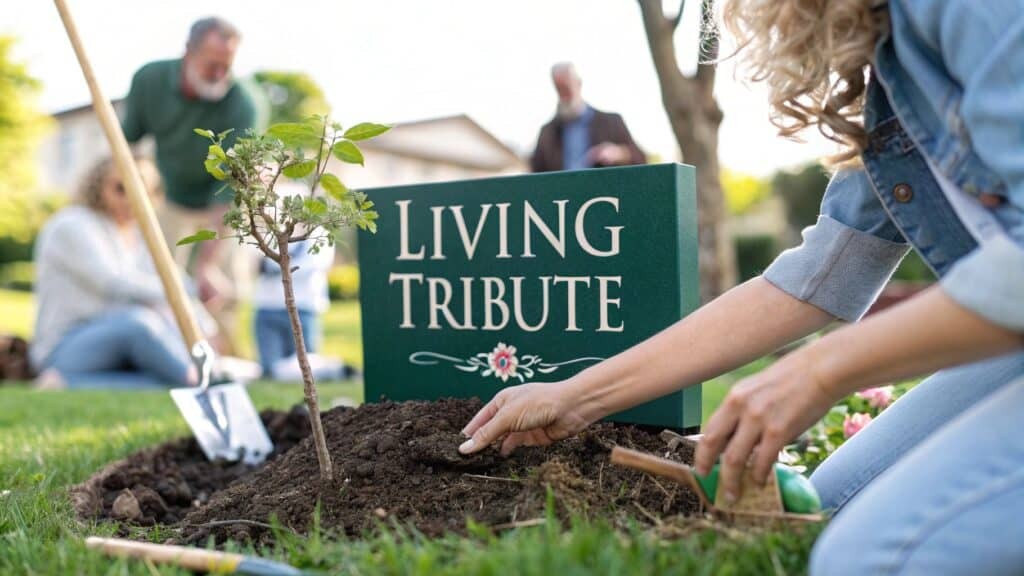
Creating a communal experience around planting a tree in memory fosters togetherness and shared healing. Organizing a community planting event not only strengthens family ties but also builds connections among friends and neighbors. Invite individuals who were close to the departed to participate in the planting, encouraging everyone to share their stories and memories while they work together. This support can provide additional comfort during the grieving process, as individuals witness the collective remembrance taking root in the form of a living tree. Setting up a small gathering, complete with refreshments and commemorative activities such as writing messages to tie to the tree, transforms this moment into a vibrant celebration of life and legacy.
Honoring Their Legacy Through Education and Awareness
Tree Planting Initiatives: Supporting the Environment
By participating in or initiating tree planting initiatives, families not only honor their loved ones but contribute meaningfully to environmental conservation. Various organizations focus on reforestation and ecological restoration, encouraging individuals to plant trees in memory of those they’ve lost. Joining forces with these initiatives can amplify the impact, allowing family members to take part in larger community efforts dedicated to combating deforestation and promoting biodiversity. Furthermore, many of these programs actively engage local schools to educate youth about the importance of trees, encouraging a legacy that extends through generations, fostering a culture of environmental stewardship. This creates a ripple effect, ensuring that the memories of loved ones are coupled with a commitment to sustain the planet for the future.
Sharing Stories: How to Keep Memories Alive Through Nature
Sharing stories associated with the loved one in tandem with the act of planting a tree can be a poignant and cathartic experience. Establishing a storytelling tradition within the family or community surrounding the planted tree can serve as a living archive of memories and anecdotes. Gather family members on special dates, such as anniversaries or birthdays, to recount cherished moments that were spent with the deceased. Encourage children to contribute their unique perspectives, allowing younger generations to connect with their heritage through the lens of memory and storytelling. This practice not only honors the departed but also fosters a sense of belonging and continuity across different age groups, keeping the essence of loved ones alive through shared narratives intertwined with nature.
Creating a Living Tribute: Incorporating Trees into Memorial Services
Incorporating tree planting into memorial services has gained popularity, transforming traditional farewell ceremonies into lasting green tributes. Families may consider creating a designated memorial space within a funeral or memorial service where attendees can plant saplings together. This communal act serves as a tangible testament to the life lived, fostering a poignant sense of closure while simultaneously establishing a living tribute. Additional elements can be added to the ceremony, such as having a local poet recite nature-inspired verses or sharing the significance of the tree species chosen. This unifying experience allows all attendees to engage in the remembrance process, aligning their grief with the creation of a beautiful, growing homage to the deceased.
FAQ
Question: How can I involve my children in the tree planting process? – Involving children in the tree planting process can help them understand the importance of nature and memorialization. Children can help by digging, planting, and watering the tree, creating a hands-on experience that fosters a sense of connection and legacy.
Question: Are there specific trees recommended for different climates? – Yes, different trees thrive in various climates. Researching native species or seeking advice from local nurseries can help you choose a tree that will flourish in your area, ensuring a successful memorial tree planting.
Question: What should I do if the tree does not thrive after planting? – If the tree does not thrive, assess the location and soil conditions, as well as watering practices. Consult with a local horticulturist to identify potential issues and receive advice on how to rehabilitate the tree or determine if replanting is necessary.
Question: Can I plant multiple trees for one individual? – Yes, you can plant multiple trees for one individual. Each tree can represent different attributes, memories, or phases of the loved one’s life, creating a diverse and meaningful memorial area.
Question: How can I keep the memory of my loved one alive through the tree? – Keeping the memory alive can involve regular visits to the tree, incorporating rituals such as storytelling, or placing mementos nearby. Engaging in community activities around the tree and sharing its growth with others can also help maintain the memory.
Question: Are there organizations that help with memorial tree planting? – Yes, many organizations focus on memorial tree planting initiatives. Researching local or national programs can provide opportunities for individuals to honor their loved ones through collective efforts while supporting environmental conservation.
Question: What is the best way to organize a community tree planting event? – To organize a community tree planting event, start by choosing a date, location, and suitable tree species. Promote the event through social media, local community boards, and word of mouth. Encourage participants to share memories during the planting, fostering a sense of togetherness.
Question: How important is it to choose a tree that has personal significance? – Choosing a tree with personal significance is crucial as it adds emotional depth to the memorial. Selecting a tree that reflects the personality, values, or cherished memories of the deceased enhances the memorial’s meaning and creates a lasting connection.
Useful Resources