

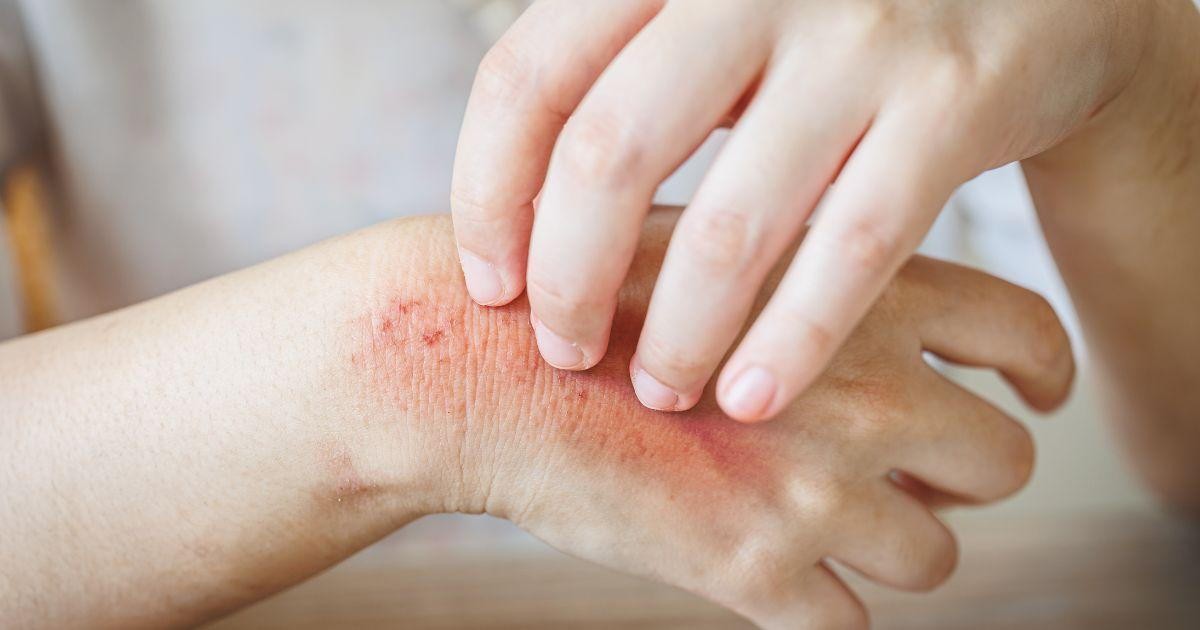
Skin fungal infections are common and can affect people of all ages. They often occur in warm, moist areas of the body and can cause itching, redness, rashes, and discomfort. While conventional antifungal treatments are widely available, many people prefer natural and holistic approaches. Homeopathy offers gentle and personalized treatment options that aim to address the root cause of fungal infections and support overall skin health.
In this article, we explore how homeopathy works for fungal infections, commonly used remedies, and tips on how to cure fungal infection on skin naturally.
Understanding Skin Fungal Infections
Fungal infections of the skin are caused by fungi such as dermatophytes, yeast, or molds. Common types include athlete’s foot, ringworm, jock itch, and candidiasis. These infections thrive in humid environments and are often triggered by excessive sweating, poor hygiene, weak immunity, or prolonged use of antibiotics.
Symptoms may include itching, scaling, redness, blisters, and cracked skin. If left untreated, fungal infections can spread and become chronic.
How Homeopathy Helps in Fungal Skin Infections
Homeopathy is a holistic system of medicine that treats the individual rather than just the disease. Instead of suppressing symptoms, homeopathic remedies stimulate the body’s natural healing mechanisms.
A homeopathic medicine for fungal infection is selected based on the person’s symptoms, skin type, immunity, and overall health. This personalized approach helps reduce recurrence and improves long-term skin health.
Common Homeopathic Remedies for Skin Fungal Infections
Several remedies are used in homeopathy for treating fungal infections. A qualified homeopathic practitioner selects the appropriate remedy after evaluating symptoms. Some commonly used remedies include:
1. Sulphur
Sulphur is one of the most widely used remedies for itchy, burning, and red fungal rashes. It is often recommended for people with dry, irritated skin and intense itching.
2. Sepia
Sepia is useful for fungal infections that worsen with sweating. It is commonly prescribed for chronic infections and for people with hormonal imbalances.
3. Graphites
Graphites are recommended for fungal infections with cracked, oozing, or thickened skin. It is especially helpful in infections affecting skin folds.
4. Thuja Occidentalis
Thuja is often used for stubborn and recurring fungal infections. It helps boost immunity and supports the body’s natural defense mechanisms.
5. Arsenicum Album
This remedy is used when fungal infections are associated with burning sensations, anxiety, and restlessness.
In addition to oral remedies, a homeopathic cream for fungal infection can be used to soothe itching, reduce redness, and promote skin healing. These topical preparations are usually gentle and free from harsh chemicals, making them suitable for sensitive skin.
Benefits of Homeopathic Treatment for Fungal Infections
Homeopathy offers several advantages for managing fungal infections:
- Natural and gentle: Homeopathic remedies are derived from natural substances and are generally safe when prescribed correctly.
- Holistic approach: Treatment is individualized, addressing the underlying causes such as weak immunity or lifestyle factors.
- Minimal side effects: Unlike some conventional antifungal drugs, homeopathic remedies are non-toxic and non-habit forming.
- Prevention of recurrence: By strengthening the body’s immune system, homeopathy helps reduce the chances of recurrent infections.
How to Cure Fungal Infection on Skin Naturally
Along with homeopathic treatment, certain lifestyle and hygiene measures can support faster recovery and prevent reinfection:
1. Maintain Good Hygiene
Keep affected areas clean and dry. Wash with mild soap and dry thoroughly, especially between toes and skin folds.
2. Avoid Tight Clothing
Wear loose, breathable fabrics like cotton to reduce sweating and moisture accumulation.
3. Boost Immunity Naturally
A balanced diet rich in fruits, vegetables, and probiotics can strengthen immunity. Adequate sleep and stress management also play a crucial role.
4. Avoid Sharing Personal Items
Do not share towels, clothing, or footwear, as fungal infections are contagious.
5. Follow Homeopathic Treatment Consistently
Homeopathy may take time to show results, especially in chronic cases. Consistent treatment and follow-up with a qualified practitioner are essential.
When to See a Homeopathic Doctor
While mild fungal infections can be managed with basic remedies and hygiene measures, chronic or spreading infections should be evaluated by a qualified homeopathic physician. A practitioner can prescribe the right homeopathic medicine for skin fungal infection based on your symptoms and medical history.
Conclusion
Homeopathy provides a natural and holistic approach to managing skin fungal infections. With personalized remedies, topical homeopathic creams, and supportive lifestyle measures, it is possible to control symptoms and reduce recurrence effectively. If you are looking for a gentle and long-term solution, homeopathy may be a valuable option for restoring healthy, infection-free skin.