
A Commodity Trading App helps traders track and trade commodities such as gold, silver, crude oil, natural gas, agricultural products, and other exchange-traded contracts. Commodity markets are influenced by demand, supply, global prices, currency movement, weather conditions, geopolitical events, and economic data. Because of this, traders need timely information and proper risk planning before entering positions.
Unlike regular stock investing, commodity trading often involves contracts, expiry dates, margin requirements, and higher price volatility. A small change in global prices or currency movement can affect domestic commodity prices quickly. This makes it important for traders to use a platform that provides clear data, fast execution, live charts, margin visibility, and risk control tools.
A good Commodity Trading App should not only allow buying and selling. It should help users study price trends, compare contracts, track open positions, set alerts, and review trading performance. For active traders, an advanced dashboard can make commodity trading more organized and less dependent on guesswork.
IPO App Insights for Broader Market Awareness
An IPO App is mainly used to track upcoming public issues, subscription status, allotment updates, and listing information. While IPO activity is different from commodity trading, it can still help traders understand broader market sentiment. When IPO participation is strong, it may indicate positive investor confidence. When listings are weak or subscription activity slows, market participants may become more cautious.
A Commodity Trading App does not need to function like an IPO App, but traders who follow multiple market segments can benefit from wider awareness. Commodity prices often react to macroeconomic trends, inflation expectations, liquidity conditions, and global uncertainty. IPO activity, equity market movement, and investor sentiment can sometimes provide supporting context.
For example, if equity markets are volatile and investors become defensive, demand for certain commodities such as gold may increase. Similarly, strong economic activity may influence energy and industrial commodity demand. An IPO App can help users track one part of the broader financial market, while a commodity dashboard can help them follow price movement in metals, energy, and agricultural contracts.
What Is a Commodity Trading App?
A Commodity Trading App is a digital platform that allows users to track and trade commodity contracts through a mobile or online interface. It may provide live prices, charts, contract details, expiry information, margin requirements, watchlists, alerts, and reports.
Commodity trading is different from buying physical commodities. Traders usually deal with exchange-traded contracts based on commodity prices. These contracts may have specific lot sizes, expiry dates, and margin rules.
A Commodity Trading App helps users access this market in a structured way. Instead of checking multiple sources for prices, charts, and reports, traders can manage their activity from one platform. However, users should understand the risks before trading because commodity prices can move sharply.
Why Commodity Trading Needs a Strong Dashboard
Commodity markets are affected by many factors at the same time. A trader may need to track domestic prices, global prices, currency movement, inventory data, economic releases, and contract expiry. A strong dashboard helps bring this information into one place.
An advanced trading dashboard should show live price movement, open positions, margin usage, order status, profit or loss, charts, watchlists, and alerts. This helps traders make faster and more informed decisions.
For short-term traders, dashboard speed matters because commodity prices can move quickly. For positional traders, contract details and expiry tracking are important. A weak or confusing dashboard can lead to wrong contract selection, delayed exits, or poor risk control.
Key Features of a Commodity Trading App
A useful Commodity Trading App should support trading, tracking, analysis, and reporting. The app should be easy to use but detailed enough for active market participants.
Live Commodity Prices
Live price tracking is essential. Traders should be able to view prices for gold, silver, crude oil, natural gas, and other commodities in real time or near real time.
The app should also show day high, day low, percentage change, volume, and contract-specific details. This helps traders understand current market activity before placing trades.
Contract Details
Commodity contracts have expiry dates, lot sizes, tick sizes, and margin requirements. The app should display these details clearly.
Wrong contract selection can create serious trading errors. For example, a trader may accidentally select a different expiry or contract size if the app layout is unclear. A good app reduces such mistakes through clear labeling and confirmation screens.
Advanced Charts
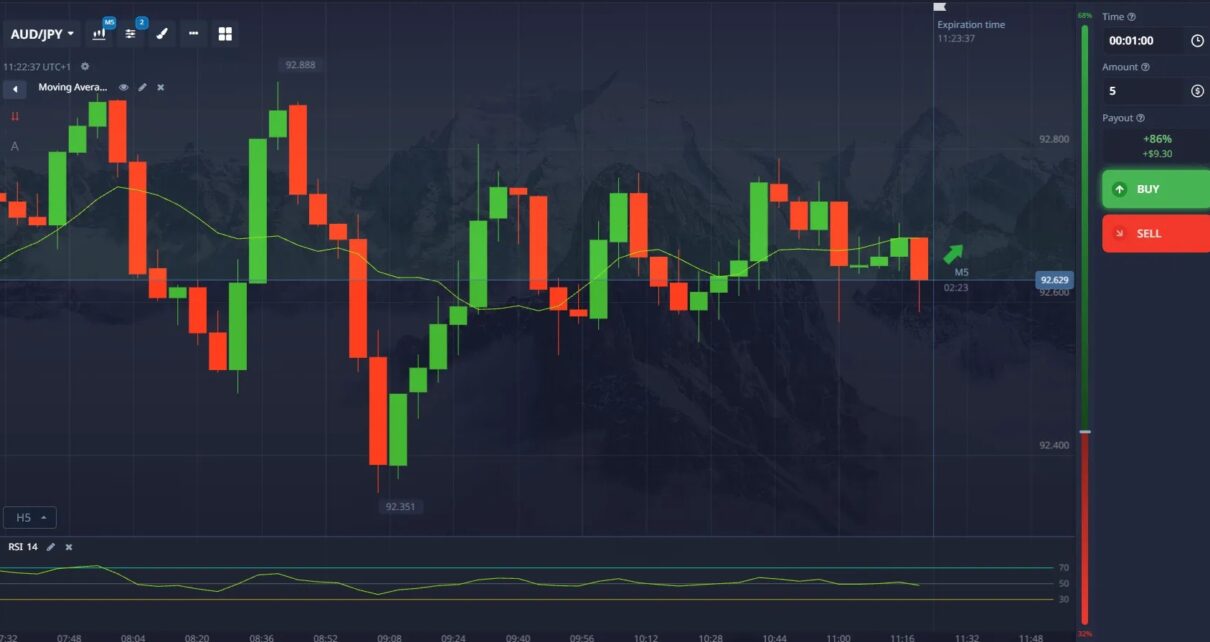
Charts help traders study price movement. A Commodity Trading App should offer different time frames, candlestick charts, volume data, trendlines, and basic technical indicators.
Commodity traders may use charts to identify support, resistance, breakout levels, trend direction, and volatility. However, charts should be used with risk planning, not as standalone signals.
Watchlists and Alerts
Watchlists allow traders to track selected commodities. A user may create separate lists for metals, energy products, and agricultural commodities.
Price alerts can notify traders when a commodity reaches a specific level. This helps users avoid constant screen monitoring while still staying aware of important movements.
Margin and Risk Visibility
Commodity trading often involves margin. The app should clearly show margin required, available balance, used margin, and exposure.
Margin visibility is important because leveraged trading can increase both gains and losses. Traders should understand how much capital is at risk before entering a position.
Commodity Trading for Different User Types
Different traders use commodity markets for different reasons. Some are short-term traders, some are hedgers, and some are investors looking for diversification.
Short-term traders may focus on intraday movement in gold, silver, crude oil, or natural gas. They need fast execution, charts, alerts, and stop-loss tools.
Positional traders may hold contracts for several days based on broader price trends. They need contract expiry details, trend analysis, and margin planning.
Some users may use commodities as part of a broader portfolio strategy. For them, understanding correlation with equities, inflation, and currency movement becomes important.
A Commodity Trading App should support different styles through flexible tools and clear information.
Importance of Risk Management in Commodity Trading
Risk management is important because commodity prices can be volatile. Global events, inventory reports, central bank decisions, currency changes, and geopolitical developments can cause sudden price movement.
Before entering a trade, users should define entry price, stop-loss, target, position size, and maximum acceptable loss. Without these rules, trading can become emotional.
A Commodity Trading App should support stop-loss orders, alerts, margin tracking, and position monitoring. These features help traders control risk, but they do not remove risk completely.
Traders should avoid using excessive margin. Higher exposure may increase profit potential, but it can also lead to larger losses. Capital protection should remain the first priority.
How Commodity Prices Move
Commodity prices move due to demand and supply factors. Gold may react to inflation expectations, currency movement, interest rate outlook, and global uncertainty. Crude oil may move based on production decisions, inventory data, demand forecasts, and geopolitical events.
Agricultural commodities may be affected by weather, crop output, export policies, and seasonal demand. Industrial metals may respond to manufacturing activity, infrastructure spending, and global growth expectations.
Because each commodity has different drivers, traders should not use the same strategy for every contract. A Commodity Trading App should provide enough data to help users understand price context.
Charges and Trading Costs
Trading costs can affect returns. Users should review brokerage, exchange transaction charges, taxes, margin-related charges, and other applicable fees before using a Commodity Trading App.
Active traders should pay special attention to costs because they may place frequent trades. Even small charges can add up over time.
The app should show estimated charges before order placement or provide easy access to a charge sheet. Transparent pricing helps traders understand net profit or loss more clearly.
Reports and Performance Tracking
A good Commodity Trading App should provide detailed reports. These may include order history, trade book, profit and loss reports, margin statements, contract notes, and ledger details.
Reports help traders review their activity and identify mistakes. For example, a trader may notice repeated losses in one commodity or during a particular time of day. This information can improve future decision-making.
Performance tracking also helps traders understand whether their strategy is working. Trading without review often leads to repeated errors.
Common Mistakes in Commodity Trading
One common mistake is trading without understanding the commodity. Each commodity has different price drivers, trading hours, contract rules, and volatility levels.
Another mistake is ignoring expiry dates. Commodity contracts expire, and traders must understand rollover or exit requirements before expiry.
Many traders also use excessive leverage. Margin trading can make positions look affordable, but losses are calculated on the full contract movement.
Some users trade based only on news headlines. News can influence prices, but entries and exits should still be planned using price levels, risk limits, and market structure.
Security and App Reliability
A Commodity Trading App should be secure and stable. Since users may place financial transactions through the app, strong account protection is necessary.
Important features include secure login, two-factor authentication, biometric access, transaction alerts, and device management. Users should also keep passwords private and avoid using unsecured networks.
App reliability is equally important. During volatile commodity sessions, slow loading or order failure can create trading problems. A stable platform helps users manage positions more confidently.
Investment Planning Before Final Commodity Exposure
Investment planning should be reviewed before using commodities as part of a broader portfolio. Commodity trading is often short-term, but some investors also use commodities for diversification or inflation-related exposure. Before doing this, users should understand how commodities fit into their financial goals.
An Investment approach to commodities should be different from speculative trading. Instead of chasing short-term moves, investors may consider allocation size, risk level, holding period, and overall portfolio balance. Commodities can move differently from equities, but they can also be volatile.
A Commodity Trading App can help users track commodity exposure, but it should not encourage over-allocation. Users should decide whether they are trading for short-term opportunities or adding commodities as part of a planned Investment strategy.
Conclusion
A Commodity Trading App can help traders monitor prices, study charts, manage positions, and track commodity contracts through an advanced dashboard. It can support trading in metals, energy products, agricultural commodities, and other exchange-traded contracts.
An IPO App may help users follow broader market sentiment, while a commodity dashboard focuses on price movement, contract details, margin, and risk controls. Both can support market awareness when used correctly.
Before choosing a Commodity Trading App, users should compare live price quality, charts, contract details, margin visibility, alerts, charges, reports, security, and app stability. Commodity trading can offer opportunities, but it requires preparation, discipline, and strong risk management. A good app should help traders stay informed and controlled, not encourage careless market activity.
FAQs
What is a Commodity Trading App?
A Commodity Trading App is a digital platform that helps users track and trade commodity contracts such as gold, silver, crude oil, natural gas, and agricultural products.
Is commodity trading risky?
Yes, commodity trading can be risky because prices are affected by global events, currency movement, demand-supply changes, volatility, and margin-based exposure.
What features should a Commodity Trading App have?
It should offer live prices, charts, contract details, expiry information, margin visibility, watchlists, alerts, reports, and strong security features.
Can an IPO App help commodity traders?
An IPO App does not directly support commodity trading, but it can help traders understand broader market sentiment and investor participation trends.
How does Investment planning matter in commodity trading?
Investment planning helps users decide whether commodities are being used for short-term trading or broader portfolio diversification, based on risk and financial goals.