
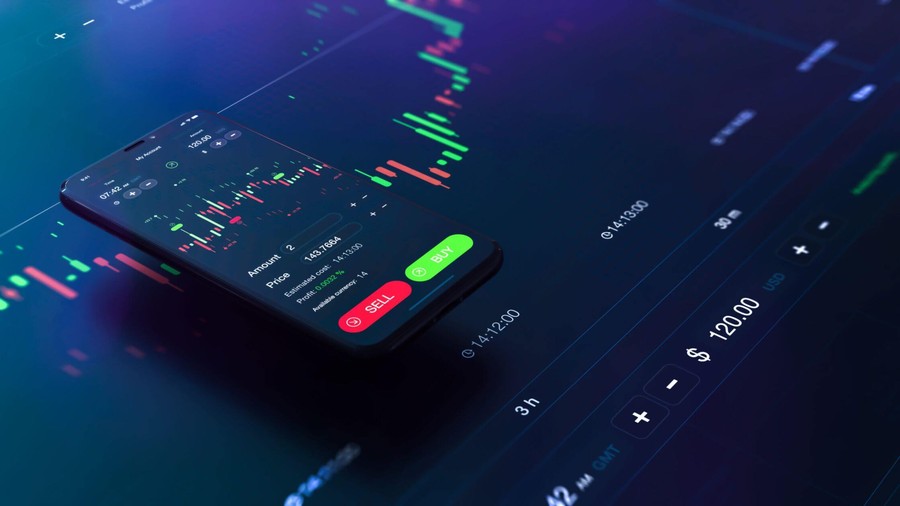
The world of investing has evolved dramatically over the past decade. Traditional stock trading involved brokers, paperwork, and long waiting times, but trading apps have completely transformed the way individuals invest in the financial markets. Today, anyone with a smartphone can trade stocks, commodities, or mutual funds in real-time, making investing faster, more convenient, and accessible to everyone.
Trading apps are designed to simplify the investment experience. From real-time market updates to seamless fund transfers and portfolio tracking, these apps empower users to make informed decisions. This article explores how trading apps work, their benefits, and tips for maximizing returns while minimizing risk.
What Is a Trading App?
A trading app is a mobile or web-based platform that allows users to buy and sell financial instruments such as stocks, bonds, commodities, or exchange-traded funds (ETFs). These apps provide tools for market research, portfolio management, order execution, and risk analysis, enabling investors to make quick and informed trading decisions.
Trading apps are ideal for both beginners and experienced traders. They combine the convenience of mobile technology with real-time market insights, making investing more efficient than traditional methods.
How Trading Apps Work
The core functionality of trading apps includes:
1. Account Setup and KYC
Users create an account by providing personal details and completing KYC verification. This step ensures compliance with financial regulations.
2. Fund Management
Users link their bank accounts or wallets to deposit funds for trading. Withdrawals and transfers are seamless and quick.
3. Market Research Tools
Trading apps provide live stock prices, charts, news updates, and technical analysis tools to help users make informed decisions.
4. Order Placement
Buy and sell orders are executed instantly at market or limit prices, allowing investors to respond to market changes in real-time.
5. Portfolio Tracking
Apps provide a consolidated view of holdings, gains, losses, and performance metrics, helping investors monitor their investments efficiently.
6. Alerts and Notifications
Users receive alerts about price changes, trade executions, or market news, enabling timely decision-making.
Benefits of Using Trading Apps
1. Convenience
Investing is possible anytime and anywhere, eliminating the need for brokers or physical paperwork.
2. Real-Time Market Access
Trading apps provide live market updates, allowing investors to react immediately to price movements and market trends.
3. Transparency
Apps display detailed transaction history, brokerage charges, and performance analytics, ensuring complete transparency.
4. Educational Resources
Many trading apps provide tutorials, webinars, and research reports, helping beginners understand market dynamics.
5. Automation
Features like limit orders, stop-loss, and scheduled investments help automate trading strategies and reduce risk.
Tips for Using Trading Apps Wisely
- Start Small – Begin with a limited amount and gradually increase investments as you gain confidence.
- Diversify Investments – Spread investments across sectors and asset classes to reduce risk.
- Track Performance Regularly – Monitor portfolio performance and adjust strategies accordingly.
- Stay Updated – Follow market trends and news to make informed decisions.
- Avoid Emotional Trading – Make decisions based on research rather than short-term market fluctuations.
Conclusion
Trading apps have revolutionized the investing landscape, offering convenience, transparency, and real-time access to financial markets. By providing tools for research, order execution, and portfolio management, these apps empower investors to make smarter decisions and grow wealth efficiently. Responsible usage, diversification, and informed strategies are key to maximizing benefits while minimizing risk.