

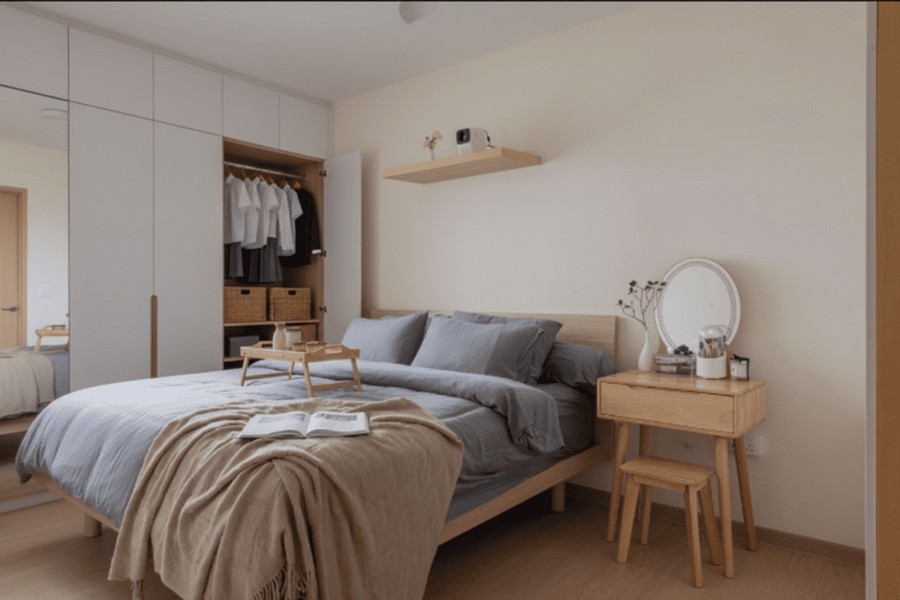
A bedroom should support rest, yet its design can sometimes make sleeping comfortably more difficult. Street noise, unwanted light, clutter and an uncomfortable room temperature may interfere with the transition from a busy day to a restful night.
For Singapore homeowners, creating a sleep-friendly bedroom involves more than buying an expensive mattress or choosing calming colours. The arrangement of furniture, control of environmental distractions and consistency of bedtime habits can all contribute to a more comfortable sleeping environment.
Whether furnishing a newly purchased property or improving an existing bedroom, small, practical adjustments can make the space better suited to relaxation.
Make the Bedroom Primarily a Place for Rest
Bedrooms often become multipurpose spaces containing work equipment, exercise accessories, storage boxes and entertainment devices. Although this arrangement may be necessary in compact homes, too many competing activities can make the room feel less restful.
Where space permits, keep the area immediately around the bed clear and reserve a specific location for work-related items. If a bedroom doubles as a home office, put away documents and equipment at the end of the working day to create a clearer separation between work and rest.
Choose furniture according to the room’s actual dimensions. An oversized wardrobe or bulky bedside table may restrict movement and make the space feel crowded.
For buyers researching Solano Grand in Bukit Panjang, reviewing the bedroom layout before purchasing furniture can help prevent unnecessary expenditure. Measure the bed, storage units and walking spaces rather than relying solely on showroom dimensions.
Control Light at Night and in the Morning
Light exposure can influence the body’s natural sleep-wake rhythm. A bedroom that remains brightly illuminated late at night may make it harder for some people to feel ready for sleep.
Use lighting that suits the intended activity. Brighter illumination may be useful for dressing or organising belongings, while softer lighting can create a calmer environment before bedtime.
Curtains or blinds can help reduce unwanted light from outdoor lighting, neighbouring buildings or early morning sunlight. The appropriate level of darkness depends on personal preference and the room’s surroundings.
Consider light entering through door gaps, electronic displays and indicator lights as well. Covering or switching off unnecessary light sources may improve comfort without requiring major changes.
During the day, exposure to natural light can help reinforce regular waking routines. Open curtains when appropriate and spend some time in daylight, while balancing glare and indoor heat.
Reduce Noise Without Overcomplicating the Room
Noise from traffic, neighbouring units, lifts or household activities can disrupt sleep. The first step is to identify when the disturbance occurs and where it seems to originate.
Soft furnishings such as curtains, rugs and upholstered furniture can absorb some sound within a room, helping reduce echoes. However, they cannot reliably block all noise transmitted through walls, windows or building structures.
If noise enters through a window, check whether it closes properly and whether the seals appear damaged. Avoid making unauthorised changes to windows or other building components, particularly in strata developments.
For recurring disturbances, document the timing and nature of the problem. Depending on the source, a discussion with household members, the managing agent or the relevant neighbour may help identify a practical solution.
Manage Temperature and Airflow
Singapore’s warm, humid climate makes bedroom temperature and ventilation important considerations. A room that feels excessively warm or damp may be uncomfortable for sleeping.
Use air-conditioning or fans according to personal comfort, energy considerations and the manufacturer’s instructions. Clean air-conditioning filters at the recommended intervals and arrange servicing when necessary.
Where outdoor conditions permit, suitable ventilation may help refresh indoor air. However, opening windows is not always the best option if outdoor noise, heat, humidity or air quality creates discomfort.
Bedding materials also influence how warm a person feels at night. Choose sheets, blankets and sleepwear that suit individual preferences, and adjust them according to seasonal conditions and the room’s cooling arrangements.
Persistent dampness or a musty smell should be investigated rather than covered up with fragrances. Moisture problems may require attention to ventilation, leaks or other underlying conditions.
Keep Digital Distractions Under Control
Phones, tablets and televisions can extend bedtime routines and encourage continued engagement when the body needs time to settle.
Consider setting a consistent time to stop work-related messages and reduce stimulating activities before bed. Charging a phone away from the bedside may help limit habitual checking for some people.
If an alarm is needed, use a dedicated alarm clock or place the phone where it remains accessible without being the main focus of the sleeping area.
These adjustments do not require abandoning technology entirely. The aim is to make its use intentional rather than allowing devices to dictate the final part of the day.
Build a Bedroom Routine That Fits Your Life
A comfortable sleeping environment works best alongside consistent habits. Keeping regular sleep and waking times, allowing enough time for rest and following a calming evening routine can support better sleep patterns.
People differ in their sleep needs, so avoid assuming that one bedroom arrangement or routine will work for everyone. Persistent sleep difficulties may warrant advice from a qualified healthcare professional, particularly when they affect daytime functioning.
Homeowners considering Wynwood Grand in Woodlands can include bedroom comfort in their initial furnishing plans by considering window coverings, lighting, ventilation and furniture placement together.
Create a Space That Encourages Rest
A sleep-friendly bedroom is built through practical choices rather than elaborate decoration. Controlling unnecessary light, addressing noise, managing warmth and reducing clutter can make the room more comfortable for everyday use.
For Singapore homeowners, these improvements can often be introduced gradually and tailored to individual preferences. A bedroom designed around rest can support a more consistent evening routine and make home life feel calmer without requiring a major renovation.