

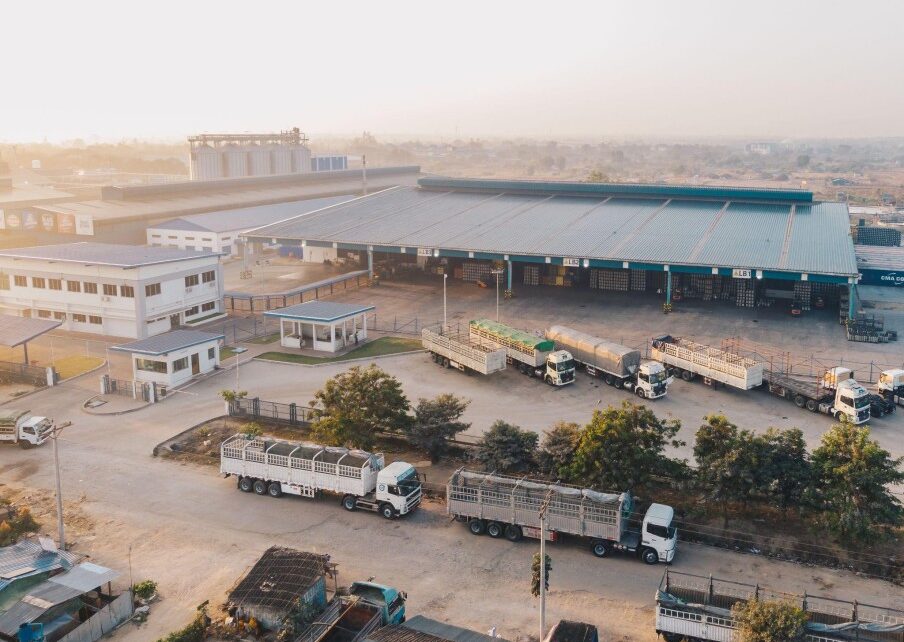
The movement of goods from manufacturers to businesses and customers depends on more than transportation alone. Storage facilities, distribution networks, freight connectivity, and efficient inventory management all play an important role in keeping supply chains organised. This is where logistics infrastructure solutions become important for businesses looking to improve distribution and manage growing operational requirements. From large-scale logistics parks to strategically located warehouses and urban distribution hubs, modern infrastructure is helping businesses build more connected and adaptable supply chains.
Why Is Modern Logistics Infrastructure Important?
As businesses expand into new markets, their logistics requirements become more complex. Managing inventory across multiple locations, coordinating transportation, and meeting delivery expectations require well-planned infrastructure.
Traditional warehousing models may not always provide the location flexibility, storage capacity, or connectivity needed for growing operations. Modern infrastructure addresses these requirements through strategically located facilities and integrated logistics networks.
A well-developed logistics ecosystem can help businesses organise inventory, improve coordination between distribution centres, and manage the movement of goods more efficiently. It also creates opportunities for manufacturers, distributors, and third-party logistics providers to expand their operations without depending entirely on individual standalone facilities.
Understanding Different Types of Logistics Infrastructure
Modern logistics networks involve multiple types of facilities, each serving a different purpose within the supply chain. Understanding these categories can help businesses identify infrastructure that matches their operational requirements.
Multimodal Logistics Parks for Better Connectivity
Multimodal logistics parks are designed to bring different transportation and logistics activities together within a planned infrastructure development. They may integrate road, rail, and port connectivity, along with warehousing, cargo handling, and supporting facilities.
These developments are particularly relevant for businesses managing large cargo volumes or requiring transportation across multiple regions. By connecting different freight networks, multimodal facilities can support more coordinated cargo movement and distribution.
For example, large-scale developments such as FOURWRD in the Pithampur-Indore region are planned around integrated road and rail connectivity, warehousing, and cargo-handling infrastructure. Such facilities illustrate how logistics parks can serve as important links in wider distribution networks.
Regional Warehousing for Expanding Businesses
Businesses entering new markets often need storage facilities closer to regional production and consumption centres. Regional warehousing solutions help address this requirement by providing strategically located storage and distribution facilities beyond major metropolitan markets.
Grade-A warehouses are particularly relevant for businesses looking for organised infrastructure, scalable space, and facilities designed around modern operational requirements.
Grade-A warehousing can support manufacturers, FMCG companies, pharmaceutical businesses, distributors, and third-party logistics providers. Built-to-suit facilities also allow infrastructure to be planned around specific operational and storage requirements.
Urban Warehousing for Faster Distribution
As online shopping, quick commerce, and local delivery services grow, businesses increasingly require storage space closer to customers. Urban warehousing addresses this need by placing inventory within or near major consumption centres.
Unlike large regional warehouses, urban facilities are generally designed around local distribution requirements and relatively quick access to delivery networks. They can support e-commerce operations, grocery distribution, cloud kitchens, and medical supply networks.
Strategically located last-mile logistics facilities can help businesses organise local inventory and connect regional distribution centres with nearby demand points.
Key Factors to Consider When Choosing Logistics Infrastructure
Selecting the right facility requires understanding how it will fit into your existing supply chain. A warehouse may offer sufficient storage capacity, but its location, connectivity, design, and supporting services also influence its suitability.
Businesses should evaluate several important factors before finalising an infrastructure decision:
- Strategic location:Consider proximity to manufacturing centres, consumption markets, highways, and transportation networks.
- Connectivity:Evaluate access to road, rail, and other relevant freight infrastructure.
- Storage capacity:Check whether the facility can accommodate current inventory and future expansion.
- Infrastructure quality:Review building specifications, layout, loading areas, and operational suitability.
- Flexibility:Look for facilities that can accommodate changing storage and distribution requirements.
- Operational support:Consider security, maintenance, utilities, and other supporting services.
Evaluating these factors together can help businesses identify infrastructure that supports both immediate operations and longer-term expansion.
How Integrated Infrastructure Connects the Supply Chain
A modern logistics network works best when its different facilities complement one another. Large logistics parks can manage national-level freight movement, regional warehouses can support inventory distribution across emerging markets, and urban hubs can connect products with local demand.
This interconnected approach is central to integrated logistics infrastructure. Rather than viewing each warehouse or logistics park as a separate asset, businesses can consider how different facilities work together across the supply chain.
Fourmativ follows this connected infrastructure approach through platforms designed for different logistics requirements. Its portfolio includes FOURWRD for large-scale multimodal logistics parks, FOURCi for regional warehousing, and FOURUN for urban last-mile infrastructure. Each platform addresses a different stage of the movement of goods, creating opportunities for businesses to consider infrastructure across national, regional, and city-level networks.
Such an ecosystem can be particularly relevant for companies managing operations across multiple markets and distribution channels.
The Role of Logistics Infrastructure in Future Business Growth
Changing consumer expectations, expanding distribution networks, and evolving transportation requirements are influencing how companies approach logistics planning. Businesses are increasingly looking beyond immediate storage requirements and considering how infrastructure can support their wider growth strategies.
Modern supply chain infrastructure is also becoming more focused on flexibility, connectivity, and operational readiness. Facilities designed for different business requirements can help companies respond to changes in inventory demand, market expansion, and distribution needs.
Technology, improved facility management, sustainable building practices, and better transportation coordination are also becoming important considerations in infrastructure development. Together, these developments are shaping a more connected approach to logistics planning.
Conclusion
Efficient supply chains depend on more than warehouses and transportation networks working independently. They require well-planned infrastructure that connects national freight movement, regional distribution, and urban delivery operations. From multimodal logistics parks and Grade-A warehousing to urban warehousing and last-mile facilities, different infrastructure models address different business requirements. Understanding these options can help companies make informed decisions, improve distribution planning, and prepare their operations for future growth. Choosing suitable logistics infrastructure solutions ultimately starts with identifying business needs and finding facilities that support a connected, scalable supply chain.